
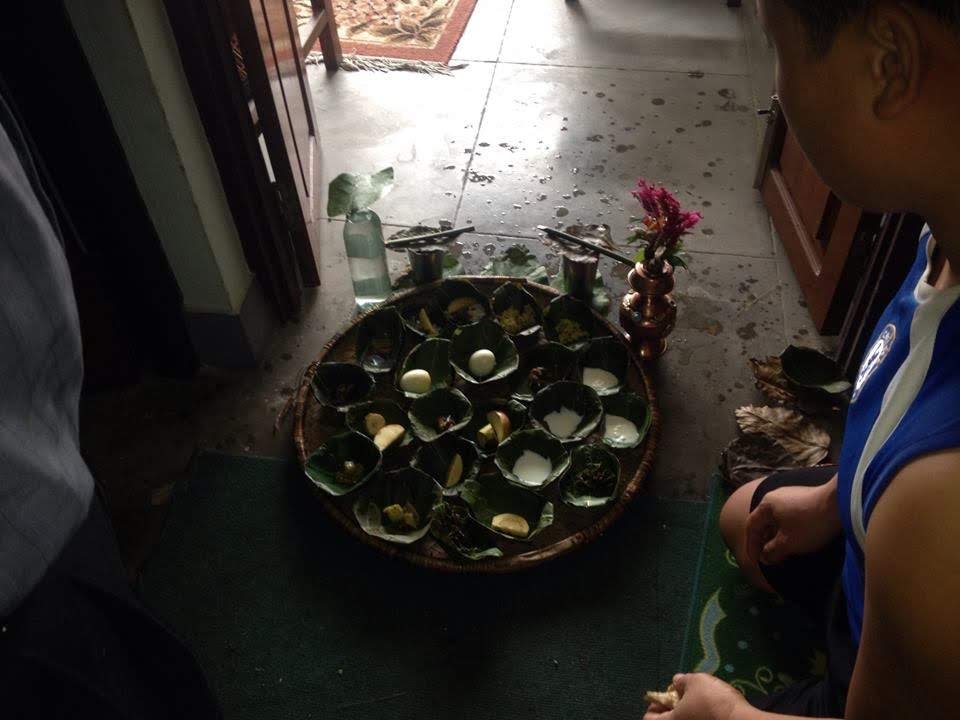
Lohorung Rai and Their Rituals
The Lohroung Rai are one of the indigenous Rai communities of eastern Nepal and belong to the larger Kirat ethnic group. Like other Rai subgroups, the Lohroung have their own language, customs, beliefs, and cultural practices that distinguish them from neighboring communities. They are found mainly in the hilly districts of Sankhuwasabha, Bhojpur, Dhankuta, and surrounding areas, although migration has led many families to settle in urban centers such as Kathmandu and other parts of Nepal.
Traditionally, the Lohroung Rai have relied on agriculture, animal husbandry, and forest resources for their livelihoods. Their social organization is based on extended family relationships, kinship networks, and strong community cooperation. Despite increasing urbanization and modernization, many Lohroung families continue to preserve their cultural identity through traditional rituals and festivals.
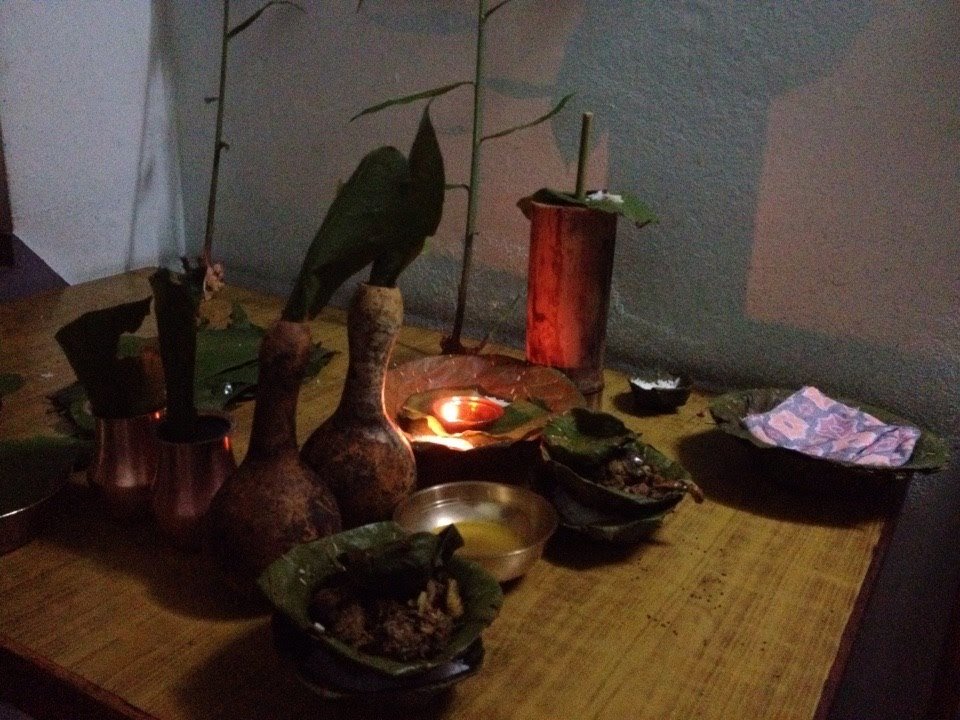
The religious beliefs of the Lohroung Rai are rooted in the Kirat Mundhum, an oral tradition that explains the origin of the universe, human beings, nature, and moral values. Rather than relying on written scriptures, knowledge has historically been passed from one generation to another through oral recitation. Ritual specialists, commonly known as Nakchhong or Mangpa, play an important role in performing ceremonies and preserving traditional knowledge.
Rituals among the Lohroung Rai are closely connected with the cycle of life and nature. Ceremonies are performed during births, marriages, deaths, house construction, agricultural activities, and important family events. Ancestor worship is an essential feature of their belief system, reflecting respect for deceased family members who are believed to continue influencing the well-being of their descendants. Offerings of food, local beverages, and symbolic items are commonly made during these rituals.
The Lohroung Rai also celebrate festivals that strengthen family ties and community solidarity. Through music, dance, traditional dress, and ritual ceremonies, these cultural events reinforce collective identity while passing cultural values to younger generations.
Today, the Lohroung Rai continue to balance traditional beliefs with modern education and changing lifestyles. Their rituals remain an important expression of cultural heritage, contributing to Nepal’s rich ethnic diversity and providing valuable insights for students of anthropology, demography, sociology, and indigenous studies. Continued documentation and preservation of Lohroung traditions are essential for safeguarding this unique cultural heritage for future generations.